Ever since I and my friends went to Bhadrachalam in Andhra Pradesh for our trip to coastal Andhra, we resolved to come back once to Bhadrachalam and visit Bastar in state of Chhattisgarh from there. The area though pristine is affected by Naxalite movement because of which the state remains underdeveloped and not many tourists visit it. Our main aim was to drive through this hitherto unknown region and visit beautiful waterfalls around it and take things as they come. We decided upon itinerary like this - Hyderabad -> Bhadrachalam -> Jagdalpur -> Bhopalpatnam -> Warangal -> Hyderabad spread over three and a half day with trips to Chitrakote falls, Tirathgarh falls and Ramappa temple near Warangal.
First day we drove to Bhadrachalam late in the night, in between checked by Greyhounds of AP police which were specially out to keep watch on infiltration of naxalites/maoists around Andhra Pradesh-Chhattisgarh border due to a recent battle between naxals and police in Chhattisgarh with heavy casualties on both sides. We stayed overnight in beautiful and plush AP tourism's Punnami hotel at Bhadrachalam. Next day we visited the Ramadoss temple for which Bhadrachalam is famous. Immediately after breakfast we started for Jagdalpur, district headquarter of Bastar district. It was only around 250 km from Bhadrachalam and we were expecting leisurely drive and plenty of time to cover the distance. But our hopes were dashed a bit as we got a taste of the road ahead. It was single lane, bumpy, pot-holed and slushy because of which our average speed reduced drastically. There were numerous streams which were swelling with water and forest around. One stream had interesting bank of rocks which were carved by flowing water. There were very few people we saw and we were jittery about that.


We passed through Konta, Sukma which are small towns in Chhattisgarh and couple of militia camps where tribals have been kept to protect them from naxals by police and Salwa-Judum combine. At one post we were stopped and searched by a boy carrying a gun, wearing a military like shirt and colored half pant. When asked whether he is from Salwa-Judum, he said "police" in a way which proved contrary. The terrain was all green with different hues, ground all carpeted with grass, misty hills in distance, cloudy throughout but luckily not raining. The houses were all built with wood, dried leaves and sometimes having tiled roofs. We did not spot many "pucca" houses built of bricks.


Around 40 kms before Jagdalpur Tirathgarh fall is situated. Tirathgarh fall was amazing to look at. The river on which these falls are, originates from a small lake (called "phool" in local parlance) a small distance away. The falls look as if water is rushing through a very steep staircase. The falls create a valley and there are lot of vantage points from where falls could be looked at. The water was white clean and tasted sweet.


 Due to lack of time we had to start back for our destination at Chitrakote falls where we had booked log huts for stay. The road from Jagdalpur towards Chitrakote is excellent and terminates at the falls.

We had a misadventure there as we approached the log huts through slushy ground when our car got stuck. Only after lot of pushing and hard work did it come out and we breathed easy. The stay was comfortable with our caretaker and his helpers taking good care of us. The falls are illuminated with bright lights at night fall for few hours. We trooped towards it and caretaker specially switched on lights for us when he saw two tripod totting photographers. Dinner was basic but caretaker included one local dish of a mushroom like vegetable which grows only under "Saal" trees. He also got us local drink "Mahua" which is made of mahua flowers. It is distilled at different concentration levels. Ours was strong so we had to dilute with water but I did not like its smell and taste. There is another drink "Sulfi" which is available only during summers.
Next day we woke up to see the brilliant Chitrakote falls. There are no words to describe size, volume and magnanimity of falls. It seemed as if all water on earth is getting channelized gushing through these falls. The water enveloped the entire vegetation in the valley down below. The falling water was creating a magnificent cloud of mist around it but sky being overcast, we could not witness the rainbow.

 Our enthusiastic guide was eager to take us to a sandy beach along the river in valley down below and one more smaller waterfall. We climbed down upto river's edge through thick foliage on a small sandy beach which was lovely.


After sometime we came back but due to fatigue decided not to go for another walk to the smaller falls. After sometime we were back again to river edge in valley below this time facing the Chitrakote waterfall. It was clicks galore from then onwards trying to find every possible angle to shoot, finding subjects in or out of falls to shoot, capturing every facet of the falls. After an hour and half we stopped and sat silent to sink in the enormity of the falls.


We were visited by a gentleman in the morning who talked about other tourists spots in and around Bastar. He wanted us to visit Barsur where there are two monolithic Ganesh idols. He also gave us each a set of brochures including a couple of CDs about Chhattisgarh tourism. Later I realized that the CDs were about a documentary about tourist places in Chhattisgarh which is sometimes seen on channels like Discovery etc. That set is one of my prized possessions. We reluctantly packed up and headed for Jagdalpur after tipping our caretaker-cum-guide heavily who insisted that its not needed. Small town innocence creating goodwill.
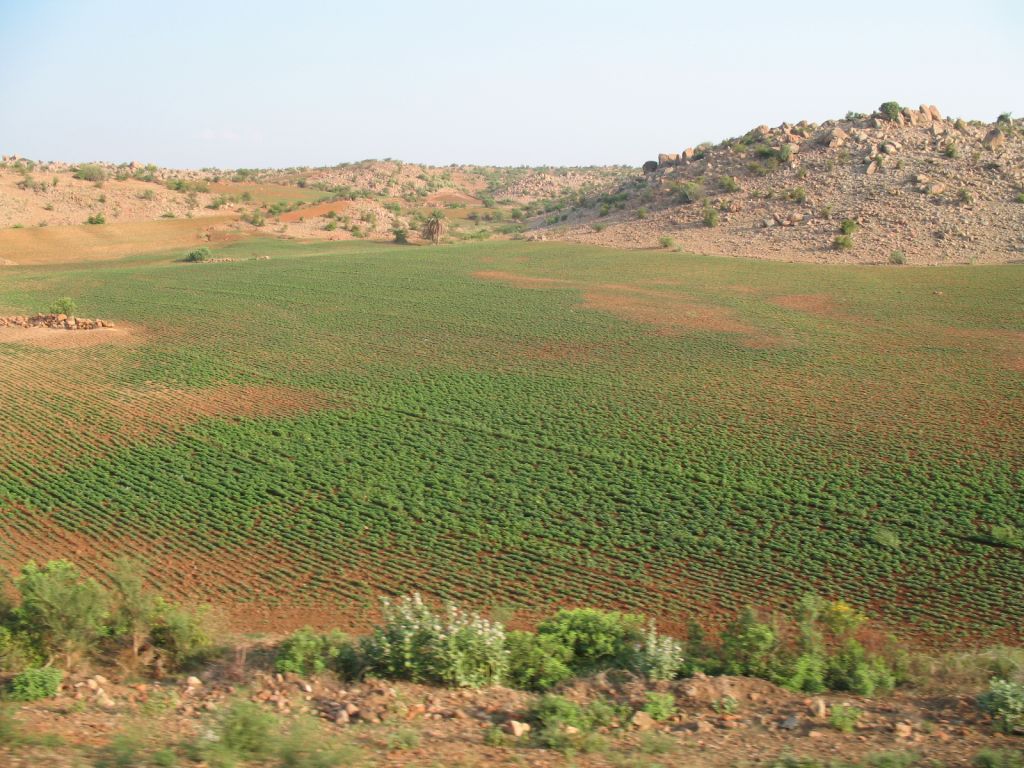
While going towards Jagdalpur we took a small detour to visit another small waterfall called Chitradhara. It was nothing compared to Tirathgarh or Chitrakote but terrain around it was beautiful. It was on a plateu so we could see the green fields around.


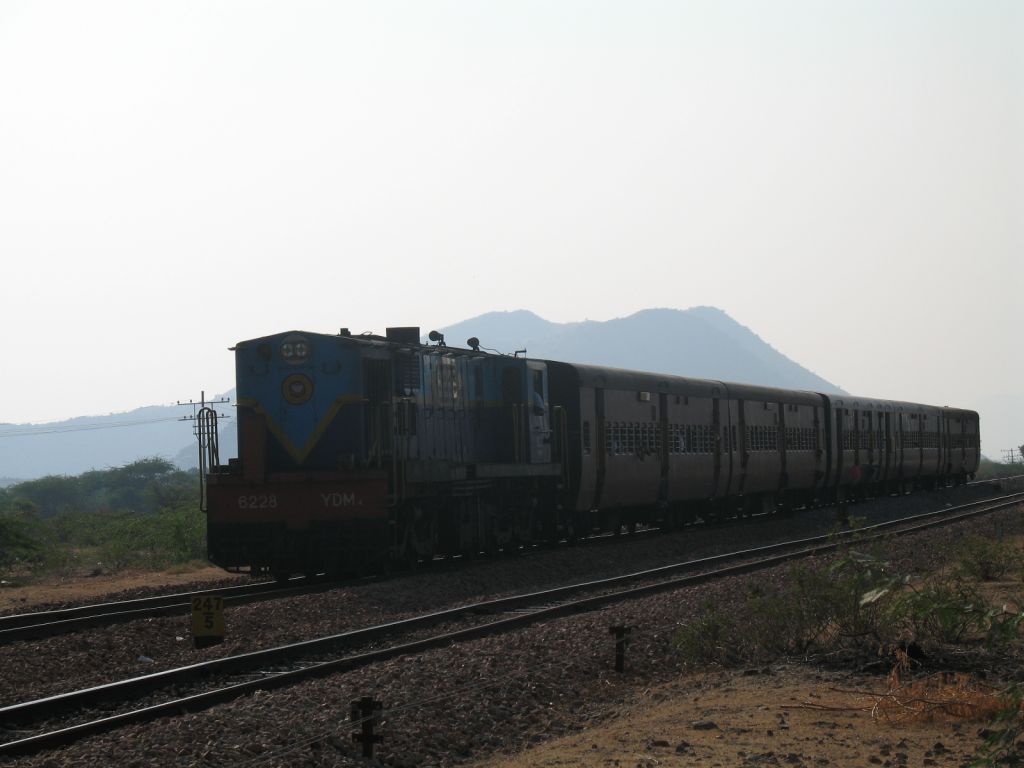
Jagdalpur was a chatoic small town with nothing much to boast of. The Anthropological museum was closed due to day being sunday and so were all workshops too where we wanted our vehicle to be checked. The town seem to have significant presence of Punjabis who are involved in transport, spare parts, workshop and eatery business. We had a delicious Chole-Bhatura at one such eatery. The Chhattisgarh state does not seem to have a state transport corporation as we did not see any govt bus, only private buses. Incidentally, the main transport company in Chhattisgarh is "Kanker Roadways" which is headed by a Sikh duo. We paid our homage to Railway station in town which is on KK line from Vishakapatnam upto Bailadila iron ore mines. The line has only iron ore freight traffic except one passenger train in day. We were banking on visiting a "haat" (local name for tribal market) in town but we are told there is no such market in town. Generally "haats" are organized in villages in the coutryside and a big one occurs in Narayanpur a long way from Jagdalpur, so we decided to miss this experience. Our wish of eating "Red Ant chutney" were crushed :)
Next day we started early as planned towards Hyderabad via Gidam, Bhopalpatnam, Warangal a 500+ km drive. The excellent road from Jagdalpur towards Gidam for some distance raised our hope of comfortable journey but again they were dashed by a long stretch of bad road before Gidam. We simply continued on road towards Bhopalpatnam which was playing bad and worse. However we spotted some real life of these parts.


Sometimes it was tricky to drive through slushy road and at few places car lost traction and we swerved like hovercraft much to the amusement of passers by. It is a different experience altogether to drive through Chhattisgarh. People are very obedient, as soon as we honked they would jump off the road clearing more than enough space for us to go through but cattle (cows and goats) were equally stubborn and would not budge for long time. We were cynosure of all eyes, four outsiders wearing modern clothing going around in a car out of which two being 6+ feet tall roaming around in this region of short and lanky people! The road was really giving us tough time but we were cracking jokes about it. One of us suggested that naxalites are probably all those disgruntled vehicle owners who had to suffer such bad roads. Because of govt apathy towards roads they have taken up arms :) At one place, there was a sign board annoncing shelter for flood affected people. We thought soon there will be a shelter for "road affected" people like us who don't seem to reach anywhere :) Anyways, 10 kms before Bhopalpatnam we enquired a motocyclist about how much more is left. He asked us where are we headed. We casually said, Warangal and Hyderabad. He said, "but sir there is no road ahead". We looked at each other with utter shock. Once we got our senses after few seconds, we asked why? Apparently, there is no bridge on the road towards Warangal on NH 202 over a local river and similarly no bridge over Indravati river towards Nizamabad which is NH 16. Since the rives were all swelling with water, there was no way we could cross it with vehicle and other interior roads are also blocked. We were told to go back to Gidam and then go to Dantewara and stay overnight there and return via Bhadrachalam. We had no option but to backtrack 120 km through that arduous road. This is the only time we got a little worried as our vehicle got stuck in slush 2-3 times and we had to push it to get it out and with evening approaching and this being heart of naxal territory. We reached Dantewara safely and stayed overnight there.
First day we drove to Bhadrachalam late in the night, in between checked by Greyhounds of AP police which were specially out to keep watch on infiltration of naxalites/maoists around Andhra Pradesh-Chhattisgarh border due to a recent battle between naxals and police in Chhattisgarh with heavy casualties on both sides. We stayed overnight in beautiful and plush AP tourism's Punnami hotel at Bhadrachalam. Next day we visited the Ramadoss temple for which Bhadrachalam is famous. Immediately after breakfast we started for Jagdalpur, district headquarter of Bastar district. It was only around 250 km from Bhadrachalam and we were expecting leisurely drive and plenty of time to cover the distance. But our hopes were dashed a bit as we got a taste of the road ahead. It was single lane, bumpy, pot-holed and slushy because of which our average speed reduced drastically. There were numerous streams which were swelling with water and forest around. One stream had interesting bank of rocks which were carved by flowing water. There were very few people we saw and we were jittery about that.


We passed through Konta, Sukma which are small towns in Chhattisgarh and couple of militia camps where tribals have been kept to protect them from naxals by police and Salwa-Judum combine. At one post we were stopped and searched by a boy carrying a gun, wearing a military like shirt and colored half pant. When asked whether he is from Salwa-Judum, he said "police" in a way which proved contrary. The terrain was all green with different hues, ground all carpeted with grass, misty hills in distance, cloudy throughout but luckily not raining. The houses were all built with wood, dried leaves and sometimes having tiled roofs. We did not spot many "pucca" houses built of bricks.


Around 40 kms before Jagdalpur Tirathgarh fall is situated. Tirathgarh fall was amazing to look at. The river on which these falls are, originates from a small lake (called "phool" in local parlance) a small distance away. The falls look as if water is rushing through a very steep staircase. The falls create a valley and there are lot of vantage points from where falls could be looked at. The water was white clean and tasted sweet.


 Due to lack of time we had to start back for our destination at Chitrakote falls where we had booked log huts for stay. The road from Jagdalpur towards Chitrakote is excellent and terminates at the falls.
We had a misadventure there as we approached the log huts through slushy ground when our car got stuck. Only after lot of pushing and hard work did it come out and we breathed easy. The stay was comfortable with our caretaker and his helpers taking good care of us. The falls are illuminated with bright lights at night fall for few hours. We trooped towards it and caretaker specially switched on lights for us when he saw two tripod totting photographers. Dinner was basic but caretaker included one local dish of a mushroom like vegetable which grows only under "Saal" trees. He also got us local drink "Mahua" which is made of mahua flowers. It is distilled at different concentration levels. Ours was strong so we had to dilute with water but I did not like its smell and taste. There is another drink "Sulfi" which is available only during summers.
Next day we woke up to see the brilliant Chitrakote falls. There are no words to describe size, volume and magnanimity of falls. It seemed as if all water on earth is getting channelized gushing through these falls. The water enveloped the entire vegetation in the valley down below. The falling water was creating a magnificent cloud of mist around it but sky being overcast, we could not witness the rainbow.

 Our enthusiastic guide was eager to take us to a sandy beach along the river in valley down below and one more smaller waterfall. We climbed down upto river's edge through thick foliage on a small sandy beach which was lovely.

After sometime we came back but due to fatigue decided not to go for another walk to the smaller falls. After sometime we were back again to river edge in valley below this time facing the Chitrakote waterfall. It was clicks galore from then onwards trying to find every possible angle to shoot, finding subjects in or out of falls to shoot, capturing every facet of the falls. After an hour and half we stopped and sat silent to sink in the enormity of the falls.


We were visited by a gentleman in the morning who talked about other tourists spots in and around Bastar. He wanted us to visit Barsur where there are two monolithic Ganesh idols. He also gave us each a set of brochures including a couple of CDs about Chhattisgarh tourism. Later I realized that the CDs were about a documentary about tourist places in Chhattisgarh which is sometimes seen on channels like Discovery etc. That set is one of my prized possessions. We reluctantly packed up and headed for Jagdalpur after tipping our caretaker-cum-guide heavily who insisted that its not needed. Small town innocence creating goodwill.
While going towards Jagdalpur we took a small detour to visit another small waterfall called Chitradhara. It was nothing compared to Tirathgarh or Chitrakote but terrain around it was beautiful. It was on a plateu so we could see the green fields around.


Jagdalpur was a chatoic small town with nothing much to boast of. The Anthropological museum was closed due to day being sunday and so were all workshops too where we wanted our vehicle to be checked. The town seem to have significant presence of Punjabis who are involved in transport, spare parts, workshop and eatery business. We had a delicious Chole-Bhatura at one such eatery. The Chhattisgarh state does not seem to have a state transport corporation as we did not see any govt bus, only private buses. Incidentally, the main transport company in Chhattisgarh is "Kanker Roadways" which is headed by a Sikh duo. We paid our homage to Railway station in town which is on KK line from Vishakapatnam upto Bailadila iron ore mines. The line has only iron ore freight traffic except one passenger train in day. We were banking on visiting a "haat" (local name for tribal market) in town but we are told there is no such market in town. Generally "haats" are organized in villages in the coutryside and a big one occurs in Narayanpur a long way from Jagdalpur, so we decided to miss this experience. Our wish of eating "Red Ant chutney" were crushed :)
Next day we started early as planned towards Hyderabad via Gidam, Bhopalpatnam, Warangal a 500+ km drive. The excellent road from Jagdalpur towards Gidam for some distance raised our hope of comfortable journey but again they were dashed by a long stretch of bad road before Gidam. We simply continued on road towards Bhopalpatnam which was playing bad and worse. However we spotted some real life of these parts.


Sometimes it was tricky to drive through slushy road and at few places car lost traction and we swerved like hovercraft much to the amusement of passers by. It is a different experience altogether to drive through Chhattisgarh. People are very obedient, as soon as we honked they would jump off the road clearing more than enough space for us to go through but cattle (cows and goats) were equally stubborn and would not budge for long time. We were cynosure of all eyes, four outsiders wearing modern clothing going around in a car out of which two being 6+ feet tall roaming around in this region of short and lanky people! The road was really giving us tough time but we were cracking jokes about it. One of us suggested that naxalites are probably all those disgruntled vehicle owners who had to suffer such bad roads. Because of govt apathy towards roads they have taken up arms :) At one place, there was a sign board annoncing shelter for flood affected people. We thought soon there will be a shelter for "road affected" people like us who don't seem to reach anywhere :) Anyways, 10 kms before Bhopalpatnam we enquired a motocyclist about how much more is left. He asked us where are we headed. We casually said, Warangal and Hyderabad. He said, "but sir there is no road ahead". We looked at each other with utter shock. Once we got our senses after few seconds, we asked why? Apparently, there is no bridge on the road towards Warangal on NH 202 over a local river and similarly no bridge over Indravati river towards Nizamabad which is NH 16. Since the rives were all swelling with water, there was no way we could cross it with vehicle and other interior roads are also blocked. We were told to go back to Gidam and then go to Dantewara and stay overnight there and return via Bhadrachalam. We had no option but to backtrack 120 km through that arduous road. This is the only time we got a little worried as our vehicle got stuck in slush 2-3 times and we had to push it to get it out and with evening approaching and this being heart of naxal territory. We reached Dantewara safely and stayed overnight there.
Next day we woke up early again and went to Danteshwari temple which is famous in this region. The temple was not open at 6:30 AM so we prayed from outside and started. We joined our onward road to Jagdalpur at Sukma and returned to Bhadrachalam without anymore hiccup. At our last moments of trips, we all agreed that it was a really worthy trip and we learnt a lot about rural and backward India and how hollow our urban development is.


 We decided to take a boat across Godavari to Kovvur and catch our connecting train to